
Autonomy in Agriculture (AUT)
Drive the cross-vendor standard for interoperability of tomorrow.
↓ Scroll down
↓ Scroll down
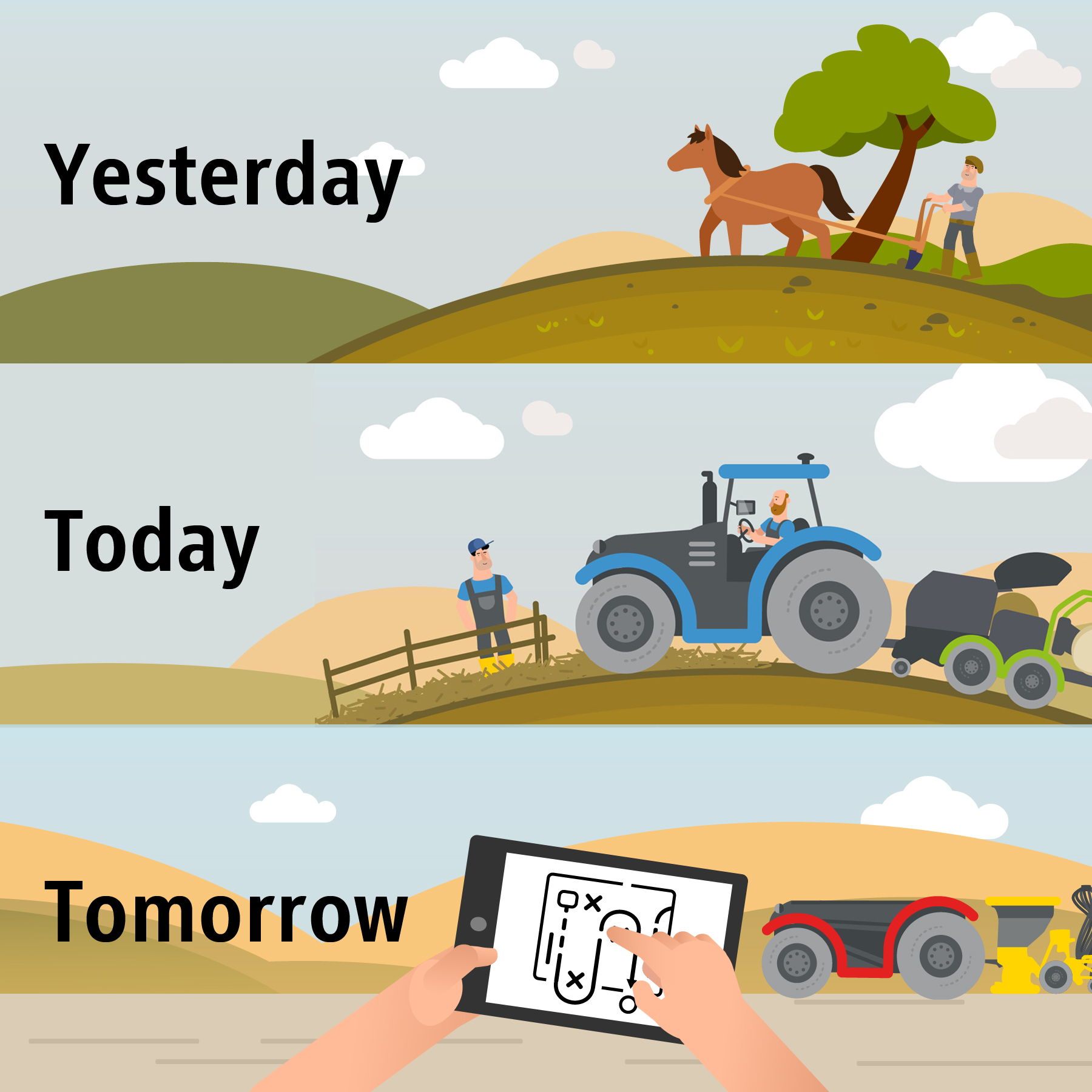
At present, an operator has three primary responsibilities that an autonomous machine will take over:
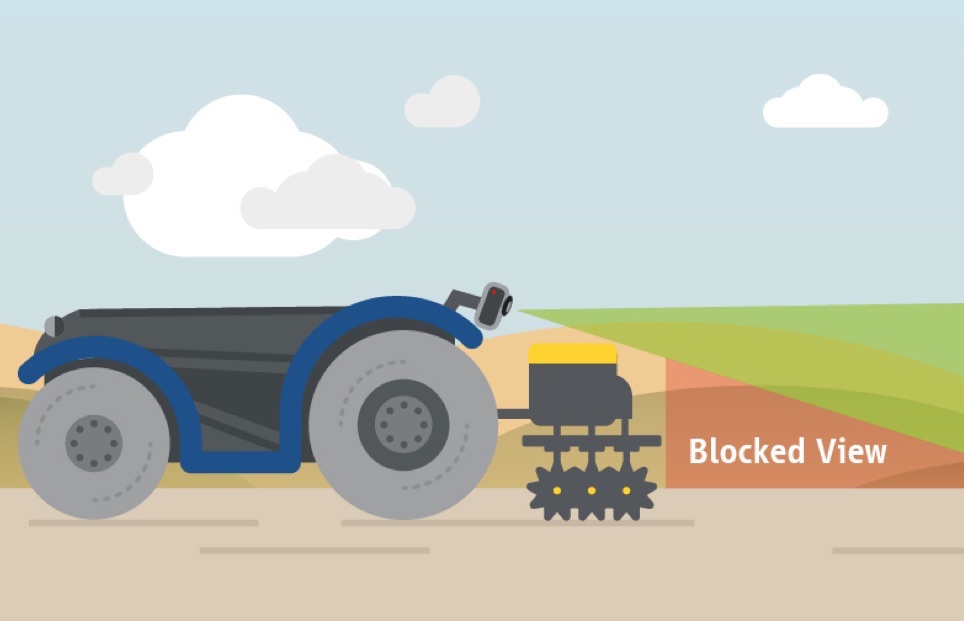
➔ Driving with Environment Monitoring
➔ Machine Health Monitoring
➔ Ensuring Work Quality
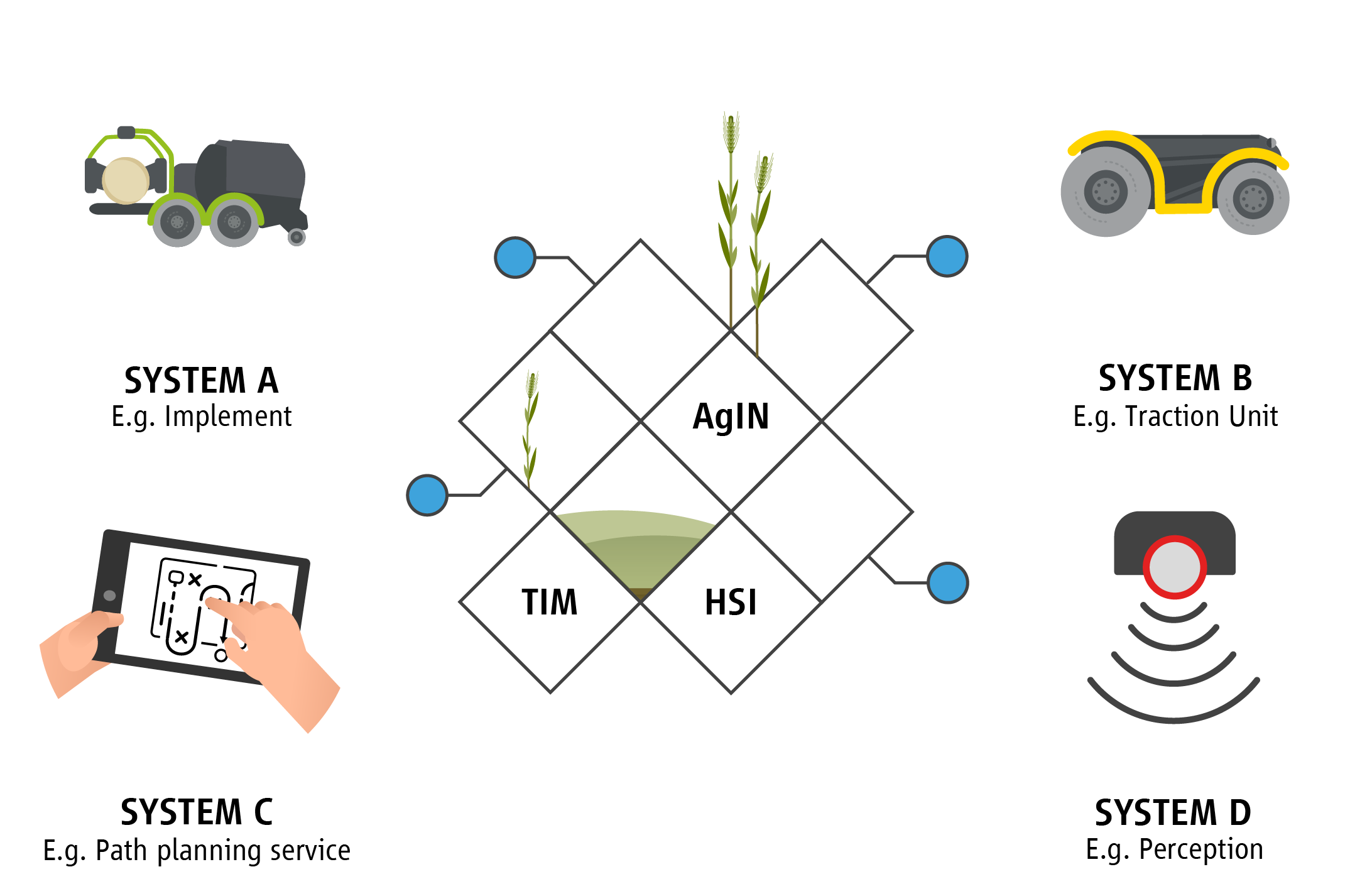
The AEF's autonomy (AUT) project empowers the agricultural industry to tackle the challenges associated with autonomous machines by establishing standards and technologies for interoperability and user-friendliness across products from various brands. Additionally, it develops and documents the essential architecture required for this integration.
Mission: Create a holistic approach to Autonomous Agriculture prioritizing operator ease of use through the modification of existing standards.
Vision: Enable multi-brand highly automated and autonomous Agriculture solutions by enhancing existing standards and developing new standards.



Dr. M. Hinrich (1926 – 2015), Philosopher and author
The project was initiated to enhance interoperability and simplify the integration of autonomous solutions across different manufacturers, enabling seamless collaboration and system compatibility.





↓ Next User Story

↓ Next User Story
↓ Next User Story
↓ Next User Story
↓ Next User Story
← Swipe for more quotes →
“Due to workforce shortages on many farms and climate changes leading to increasingly shorter optimal operating windows, AGCO foresees a significantly rising demand for autonomous farming solutions in the future. To provide farmers with the best possible experience when using autonomous vehicles, AGCO supports cross-manufacturer collaboration for enhanced communication between tractors and implements. Additionally, the expansion of AEF standards towards cloud-based planning and monitoring software is becoming more important for autonomous applications, as special attention must be paid to machine uptime. Autonomous vehicles are expected to operate around the clock without user intervention.”

AGCO
“We Provide Autonomy”, AgXeed’s message to provide autonomy for every farmer. The AEF Autonomy group perfectly fits in this by working on standardization for autonomous agricultural solutions. Standardization will help to get to seamless integration of autonomous equipment and digital systems to provide autonomy for every farmer.”

AgXeed
“AMAZONE sees a great potential for automation and autonomy. Smart process control of implements combined with autonomous traction units will enable innovative solutions for farmers. Therefore we support the standardization effort and actively participate in the AEF AUT project.”

Amazone
“Collaboration is key, especially when it comes to the areas of high automation and autonomy. Only the fast, barrier-free and standardized communication and data transfer between connected machines, implements, cloud and mobile devices – the so called interoperability - ensures a rapid development of market-ready technology which leads to practicable and safe solutions for our customers. The AEF Autonomy working group enables companies and start-ups regardless of their size to get involved in the progress of standardization to further advance automation and autonomy in agriculture. As with AgIN, CLAAS and the 3A Initiative with Amazone and AgXeed fully support this cooperative approach.”

Claas
“CNH has long recognized the limits of automation within the current industry standards. Together with the AEF, we are helping create the intelligent frameworks to achieve true full autonomy in agriculture. Our goal is to enable machines to cohesively perceive, decide, and act responsibly within complex tasks while making dynamic agronomic decisions.”

CNH
“At GRIMME, we are committed to empower farmers worldwide to achieve optimal results at every stage of their production process. Recognizing the critical need for cross-brand interoperability in advanced autonomous solutions, we proudly support the AEF AUT initiative working on a unified software architecture. By pushing the frontier of autonomy solutions in agricultural technology and ensuring seamless integration across multiple brands, we aim to increase efficiency, scalability, and innovation in modern agriculture.”

Grimme
“Hexagon's participation in the AUT project allows us to collaborate with industry leaders to advance autonomous agricultural machinery. We take pride in leveraging our expertise in GNSS positioning and perception technologies to develop innovative solutions that enhance efficiency, safety and productivity in farming. The AEF has been the bedrock for industry collaboration for many years and we continue our support to the group.”

Hexagon
“At KRONE and LEMKEN, we are committed to driving innovation in agricultural autonomy and taking it to the next level. That is why we launched the “Combined Powers” project, to leverage the process and technology expertise of both companies to jointly develop holistic autonomous solutions. For this reason, we work together with the AEF to define standardized data exchange between the implement, traction unit and backend services to enable an interoperable autonomous ecosystem. As a part of the AEF autonomy group, we see it as our duty to establish and promote these standards.”


Krone & Lemken
“Kubota, together with its subsidiary Kverneland Group, is proud to take a leading role in agricultural innovations by enhancing interoperability of agricultural equipment across brands. As founding members of the AEF, we are committed to developing customer-focused solutions that make the work easier and deliver economic benefits without compromising on safety. By actively participating in the AUT subgroup, Kubota is dedicated to delivering cutting-edge automation that not only ensures seamless integration across different brands but also prioritizes farmers profitability. By empowering farmers to utilize multi-brand autonomy solutions, we are paving the way for a more efficient and sustainable future of farming.”

Kubota
“At Pöttinger, we see that future technical developments will elevate agricultural machinery to a new level. Increasing automation drives the need to further develop already standardized interfaces between tractors and implements, ensuring optimal compatibility and performance.”

Pöttinger
“The mission of the SDF Group is to manufacture tractors that are increasingly efficient, productive, safe, comfortable and environmentally friendly, as well as easy to use. To achieve this, we are actively developing autonomous solutions, including our support for the AEF Aut project.”

Same - Deutz - Fahr
“Topcon innovates technology for guidance, implement control, and digital farm management designed to optimize farming workflows. Supporting a diverse range of manufacturers, dealers, and farmers, we understand the importance of interoperability. This core belief in open platforms is a principle we have championed since the inception of ISOBUS standards in agriculture. Through our active participation in AEF and the Autonomy in Ag initiative, we’re excited to build on this legacy, collaborating to create a future of standardized, autonomous solutions that ensure seamless compatibility and drive efficiency for farmers.”

Topcon
“At ZF Group, we understand the unique challenges faced by the agricultural sector. As a key supplier, we are dedicated to providing innovative solutions that support AEF's 'Autonomy in Ag' project. Our technologies are designed to ensure interoperability and autonomy, helping farmers achieve greater efficiency and success in their operations.”

ZF
Currently, several autonomy initiatives focus on safety and sensor test procedures. A comprehensive overview can be found here:
➔ Agricultural Industry Initiatives on Autonomy.
In contrast, the central question of AEF AUT is how to ensure the interoperability of autonomous agricultural systems through functional architecture standards and guidelines.



Be part of an interoperable autonomous ecosystem
Influence the future of farming collaboratively
Avoid wasting time and costs on proprietary solutions in autonomy
Gain foresight into advancements in the coming years
Prepare effectively for the agriculture of tomorrow
Leverage and improve existing standards and data formats for enhanced autonomy
Collaborate with a motivated and talented team of creative minds
Empower farmers to utilize cross-manufacturer autonomous solutions
Together, remove technical obstacles to achieving autonomy
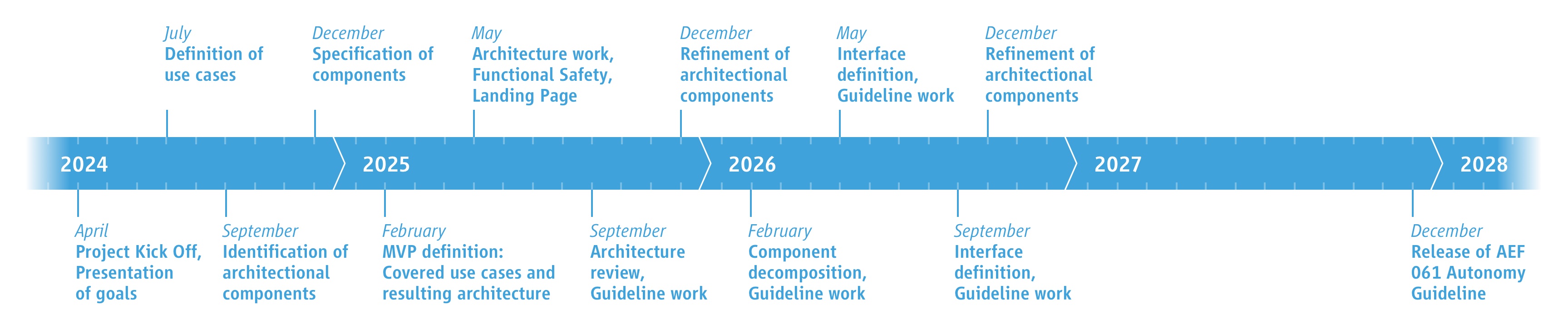
Ongoing activities:
➔ Bi-weekly online AEF AUT team meetings
➔ Additional meetings within defined sub-teams

Contact for North and South America
AEF Secretary
AEM (Association of Equipment Manufacturers)
6737 W. Washington Street, Suite 2400
Milwaukee, WI 53214-5647, USA
» america@aef-online.org
Contact for Europe and Asia
AEF Office
Blessenstätte 36
33330 Gütersloh
Germany
» office@aef-online.org